
Image Credit – Kelsey
We’ve all had that moment where we pause and realize, “I need to eat much better.” Maybe it’s after a week of takeout, feeling sluggish in the mornings, or noticing that our energy levels are all over the place. The truth is, our eating habits directly affect how we feel, think, and perform every single day. While the idea of “eating better” might seem overwhelming, the good news is that small, consistent changes can have a huge impact on your overall health and lifestyle.
I Need to Eat Much Better: Simple Steps to Healthier Living

Why Eating Better Matters
Food is fuel, but it’s also so much more than that. What we put on our plates affects:
- Energy Levels – Whole foods provide steady energy, while processed foods often lead to spikes and crashes.
- Mental Clarity – Nutrient-rich foods improve focus, mood, and brain function.
- Long-Term Health – A balanced diet lowers the risk of chronic diseases like diabetes, heart issues, and obesity.
- Better Sleep and Digestion – Eating clean supports your body’s natural rhythms, helping you rest better and feel lighter.
So when you think, “I need to eat much better,” you’re really choosing to take control of your well-being, one bite at a time.
Simple Steps to Start Eating Better
1. Focus on Whole Foods
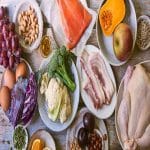
The easiest way to clean up your diet is to choose foods as close to their natural state as possible. Vegetables, fruits, whole grains, lean proteins, legumes, nuts, and seeds are nutrient-packed and free of unnecessary additives. The more colorful your plate, the more variety of vitamins and minerals you’re getting.
2. Cut Down on Processed Foods
It’s unrealistic to say you’ll never eat chips, cookies, or instant noodles again, but limiting them is key. Processed foods are often high in sugar, salt, and unhealthy fats, which contribute to fatigue and weight gain. Try swapping soda for sparkling water, chips for air-popped popcorn, or instant noodles for a quick stir-fry.
3. Plan Your Meals
One big reason we grab unhealthy food is convenience. Planning ahead helps you make smarter choices. Meal prep doesn’t have to be complicated—cook a big batch of rice, roast some veggies, or grill chicken that you can use in different meals throughout the week.
4. Practice Mindful Eating
Eating better isn’t just about what you eat but how you eat. Slow down, savor your food, and listen to your body’s hunger and fullness cues. This prevents overeating and helps you enjoy your meals more.
5. Stay Hydrated
Sometimes, when you feel hungry, your body is actually thirsty. Drinking enough water throughout the day supports digestion, energy, and even your skin health. Aim for 6–8 glasses daily, and add lemon, mint, or cucumber for extra flavor if plain water feels boring.
6. Balance, Don’t Restrict
Eating better doesn’t mean giving up all your favorite foods. It’s about balance. If you crave a slice of pizza or dessert, enjoy it—just don’t let it become your everyday habit. A healthy lifestyle allows flexibility without guilt.
Foods That Help You Eat Better
If you’re ready to take action, here are some foods to include regularly in your diet:
- Leafy Greens – Spinach, kale, and lettuce for iron, fiber, and antioxidants.
- Whole Grains – Brown rice, quinoa, and oats for energy and digestion.
- Lean Proteins – Eggs, fish, chicken, beans, and tofu to keep you full and strong.
- Healthy Fats – Avocados, nuts, seeds, and olive oil for heart health.
- Fruits – Natural sources of vitamins and quick energy.
- Fermented Foods – Yogurt, kefir, and kimchi for gut health.
Making It Sustainable
The key to eating better is sustainability. Crash diets or extreme restrictions often backfire, leaving you frustrated and back at square one. Instead, focus on gradual changes—swapping one soda a day for water, adding a side salad to your meals, or cooking at home twice a week instead of ordering out. Over time, these small shifts add up to lasting results.
If you’re saying, “I need to eat much better,” you’re already on the right path. Awareness is the first step toward transformation. Remember, eating better doesn’t mean perfection—it means progress. With mindful choices, balanced meals, and consistency, you’ll not only feel healthier but also more energized and confident in your daily life. What’s one change you’re ready to make in your eating habits today? Share with us in the comments!
Frequently Asked Questions
Where should I start if I feel like I need to eat much better?
If you’re thinking, “I need to eat much better,” start small. Focus on adding more whole foods like fruits, vegetables, whole grains, and lean proteins to your meals. At the same time, try to reduce processed snacks, sugary drinks, and fast food. Meal planning and cooking at home a few times a week can also make a huge difference. The key is consistency, not perfection.
How can I stay motivated when I feel I need to eat much better?
Motivation comes from setting realistic goals. If you’re saying, “I need to eat much better,” don’t try to change everything at once. Begin with small, achievable steps like drinking more water, swapping fried foods for baked ones, or adding one extra serving of vegetables a day. Track your progress and celebrate small wins, which keeps you motivated for the long term.
What foods should I focus on if I need to eat much better?
When you say, “I need to eat much better,” focus on foods that nourish and energize you. Include leafy greens, whole grains, lean proteins like chicken or beans, healthy fats such as nuts and avocados, and fresh fruits. Also, don’t forget hydration—water plays a big role in feeling better overall. Balance and variety are more important than strict restrictions.