

Image Credit – Kelsey
The Grain Marketplace plays a vital role in the global food supply chain, connecting farmers, traders, processors, and consumers under one efficient system. From wheat and rice to corn, barley, and pulses, the Grain Marketplace ensures smooth buying and selling of essential agricultural commodities. With the rise of digital platforms and organized trading systems, the Grain Marketplace has evolved into a transparent, competitive, and farmer-friendly ecosystem. Understanding how the Grain Marketplace works can help producers get better prices and buyers access quality grains with confidence.
Grain Marketplace: A Complete Guide to Modern Grain Trading
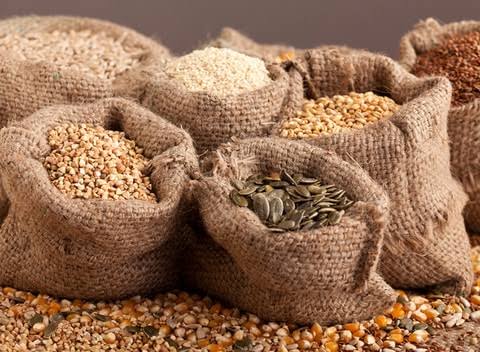
A Marketplace is a physical or digital platform where grains are traded in bulk. Traditionally, grain markets operated through local mandis and wholesale markets. Today, modern Grain Marketplaces include online portals, commodity exchanges, and export-import hubs that allow buyers and sellers to trade efficiently.
These platforms support pricing transparency, quality standards, logistics coordination, and secure payments. Whether local or global, the Grain Marketplace helps stabilize supply and demand while ensuring fair trade practices.
Types
- Physical Grain Markets
These include agricultural mandis and wholesale markets where farmers bring their produce for auction or direct sale. - Online Grain Marketplaces
Digital Grain Marketplaces allow farmers and buyers to connect online, compare prices, and trade without intermediaries. - Commodity Exchanges
Futures and spot trading platforms where grains are traded in standardized contracts. - Export-Oriented Grain Marketplaces
These focus on international trade, meeting global quality and certification standards.
Each type of Marketplace serves a unique purpose but shares the goal of efficient grain trading.
Benefits
The Marketplace offers multiple advantages to all stakeholders:
- Fair Pricing: Transparent price discovery helps farmers receive competitive rates.
- Wider Reach: Sellers can access national and global buyers.
- Quality Assurance: Standardized grading ensures consistency.
- Reduced Middlemen: Direct trading increases profit margins for producers.
- Market Stability: Better supply-demand balance reduces price volatility.
A well-functioning Marketplace supports both economic growth and food security.
Role of Technology
Technology has transformed the Marketplace dramatically. Online platforms provide real-time price updates, digital contracts, AI-based demand forecasting, and traceability systems. Mobile apps enable farmers to list produce, check prices, and receive payments directly into their bank accounts.
Blockchain technology is also emerging in the Marketplace to improve transparency, prevent fraud, and track grain quality from farm to buyer.
Challenges
Despite its growth, the Marketplace faces challenges such as price fluctuations, storage issues, transportation costs, and lack of awareness among small farmers. Climate change and inconsistent production also affect supply chains.
However, policy reforms, digital education, and infrastructure development are helping strengthen the Marketplace and make it more inclusive.
The future of the Marketplace looks promising. With increasing digital adoption, sustainable farming practices, and global trade integration, grain markets are becoming more efficient and resilient. Governments and private players are investing in e-market platforms, warehousing, and logistics to support farmers and traders alike.
As demand for quality grains continues to grow, this will remain a cornerstone of the global agricultural economy.
The Grain Marketplace is more than just a trading platform—it is the backbone of agricultural commerce. By connecting farmers to buyers, ensuring transparency, and leveraging technology, the Marketplace supports fair trade and food security. Whether you are a farmer, trader, or consumer, understanding the Grain Marketplace helps you make informed decisions and appreciate the journey of grains from fields to tables. Let us know in the comments how you see the Marketplace evolving in the coming years or share your experience with grain trading.
Frequently Asked Questions
What is a Grain Marketplace and how does it work?
A Marketplace is a platform where grains are bought and sold through physical markets or online systems, enabling transparent pricing and efficient trade.
How does the Grain Marketplace benefit farmers?
The Marketplace helps farmers get fair prices, access wider markets, reduce intermediaries, and receive timely payments.
Is online Grain Marketplace trading safe?
Yes, most online Marketplace platforms use secure payment systems, quality checks, and digital contracts to ensure safe and transparent transactions.