Image Credit – Kelsey
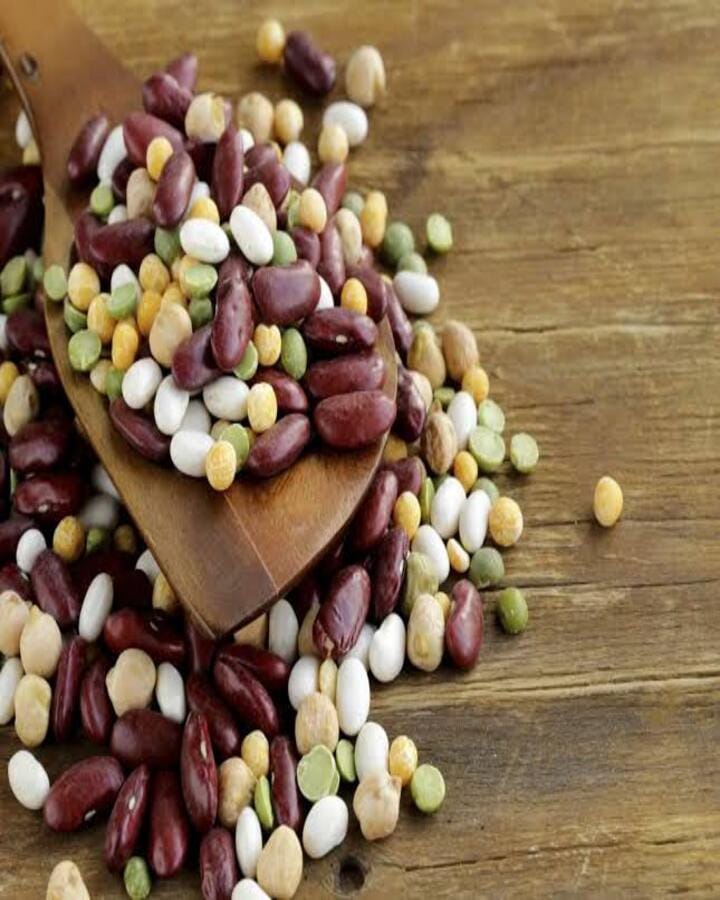
If you’ve ever followed or researched the Paleo diet, you’ve probably heard people say, “but beans arent paleo.” This statement often sparks confusion, especially since beans are widely considered healthy. While beans are packed with fiber and plant protein, they don’t align with the core principles of the Paleo lifestyle. Understanding why beans aren’t paleo can help you make better food choices and stay true to the diet’s purpose.
But Beans Arent Paleo: Here’s Why They Don’t Fit the Paleo Diet
Why People Say “But Beans Aren’t Paleo”
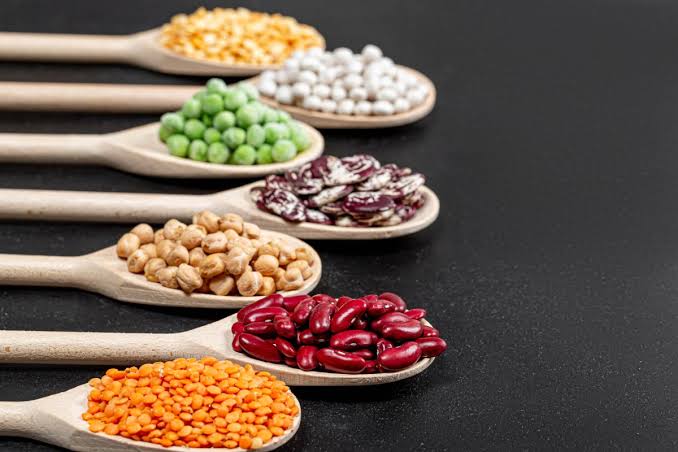
The Paleo diet is based on eating foods that our hunter-gatherer ancestors could have consumed. This includes meat, fish, vegetables, fruits, nuts, and seeds. Beans, however, are legumes, and legumes are excluded from Paleo eating.
1. Legumes Were Not Part of Early Human Diets
The Paleo diet avoids foods that require modern farming and proc0essing. Beans need soaking, boiling, or fermenting to be edible, which early humans likely did not do regularly. That’s one major reason people emphasize but beans aren’t paleo.
2. Antinutrients in Beans
Beans contain compounds like lectins and phytic acid. These antinutrients can interfere with mineral absorption and may cause digestive discomfort for some people. Paleo focuses on foods that are easy to digest and nutrient-dense.
3. Blood Sugar and Inflammation Concerns
Although beans are healthier than refined carbs, they can still affect blood sugar levels. Paleo eating aims to reduce inflammation, and legumes are believed by some to contribute to gut irritation.
Are All Beans Bad?
Not necessarily. Outside of Paleo, beans can be nutritious. However, within strict Paleo guidelines, the rule remains clear: but beans arent paleo, regardless of their health benefits in other diets.
Some modern Paleo followers choose a flexible approach, occasionally including well-prepared legumes, but traditional Paleo excludes them entirely.
Paleo-Friendly Alternatives to Beans
If you miss beans, consider these Paleo-approved options:
- Sweet potatoes for carbohydrates
- Nuts and seeds for texture and protein
- Cauliflower or squash in soups and stews
These alternatives align better with Paleo principles and avoid the issues linked to legumes.
While beans are nutritious in many modern diets, the Paleo approach draws a clear boundary around them. Paleo eating is based on foods believed to be available to humans before agriculture, and beans were not commonly consumed during that time. Additionally, beans contain compounds such as lectins and phytic acid, which may interfere with digestion and mineral absorption for some people. Because Paleo focuses on easily digestible, nutrient-dense foods, beans are excluded from a strict plan. However, some people follow a more flexible Paleo lifestyle and include small amounts if tolerated well. Understanding these reasons helps you make informed dietary choices that fit your goals.
Frequently Asked Questions
Why do people say but beans arent paleo if they’re healthy?
If beans aren’t paleo, you can replace them with foods like sweet potatoes, squash, cauliflower, mushrooms, eggs, nuts, seeds, and lean meats. These options provide fiber, protein, and nutrients while staying paleo-friendly and helping you feel full and satisfied without legumes.
What can I eat instead if beans arent paleo?
If beans aren’t paleo, you can choose alternatives like sweet potatoes, winter squash, cauliflower rice, leafy greens, mushrooms, eggs, nuts, seeds, fish, and grass-fed meats. These foods provide fiber, protein, and essential nutrients while fitting paleo guidelines and keeping meals filling and balanced without relying on legumes.
Can I eat beans on a Paleo diet occasionally?
Beans are generally avoided on a strict Paleo diet because they contain lectins and phytic acid. However, some people following a flexible or modified Paleo approach may eat beans occasionally in small amounts if they tolerate them well and prioritize whole, minimally processed foods