
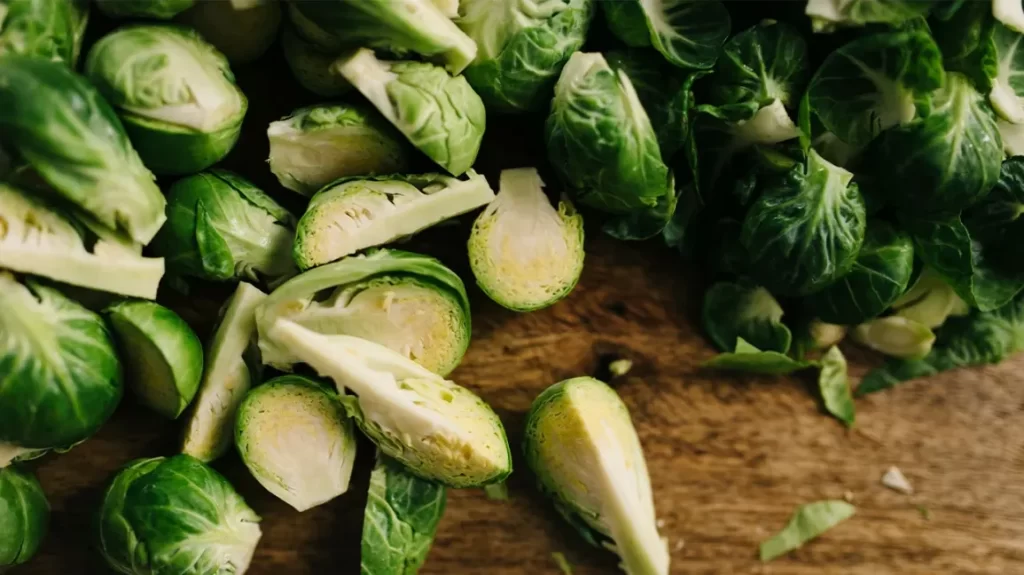
Image Credit – Kelsey
Brussels sprouts are packed with nutrition—loaded with fiber, antioxidants, and vitamins like K and C. They’ve become a favorite among health-conscious eaters and foodies alike. But let’s be honest: for some people, Brussel sprouts and gas go hand in hand. If you’ve ever enjoyed a serving (or two) of roasted Brussels sprouts only to regret it an hour later with bloating or discomfort, you’re not alone.
In this post, we’ll explore why Brussels sprouts cause gas, how your digestive system reacts to them, and smart ways to minimize discomfort without cutting out this nutrient-packed veggie.
Brussel Sprouts and Gas: The Shocking Truth You Need to Know
Why Do Brussels Sprouts Cause Gas?
Brussels sprouts are part of the cruciferous vegetable family, which also includes broccoli, cauliflower, cabbage, and kale. These veggies are known for their incredible health benefits—but also for being a little… hard on the stomach.
Here’s why:
1. High in Fiber
Brussels sprouts are high in fiber, which is great for gut health—but when you eat more fiber than your digestive system can handle, it can lead to gas, bloating, and changes in bowel habits. Your gut bacteria ferment the fiber, producing gas as a byproduct.
2. Contains Raffinose
Raffinose is a complex sugar found in Brussels sprouts. Humans lack the enzyme needed to break it down completely in the small intestine, so it passes into the colon, where bacteria ferment it—producing carbon dioxide, methane, and hydrogen gas.
3. Sulfur Compounds
Brussels sprouts contain sulfur-containing compounds called glucosinolates. These contribute to their bitter taste and unique aroma. As they break down in your digestive system, they can create smelly gas.
How to Reduce Gas from Brussels Sprouts
You don’t have to ditch Brussels sprouts entirely to stay gas-free. Here are a few tips to keep enjoying them without the uncomfortable side effects:
1. Start Small
If you’re not used to eating high-fiber foods, start with small portions and gradually increase your intake. This gives your gut time to adjust to the increased fiber.
2. Cook Them Thoroughly
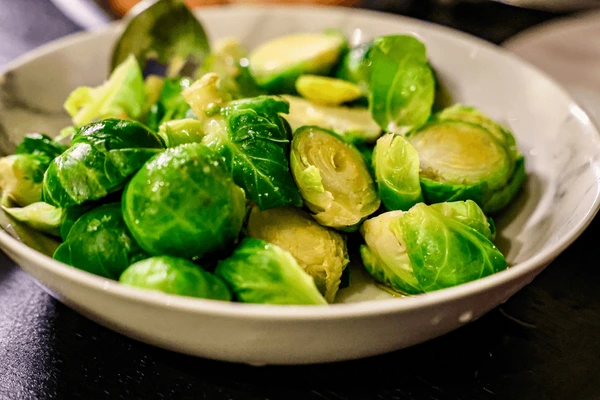
Cooking Brussels sprouts helps break down some of the fiber and sulfur compounds, making them easier to digest. Steaming, roasting, or sautéing can reduce their gas-producing potential.
3. Add Digestive Helpers
Try adding spices that support digestion, like:
- Ginger
- Fennel seeds
- Caraway seeds
These can help ease bloating and promote smoother digestion.
4. Chew Well
Digestion starts in the mouth. Chewing Brussels sprouts thoroughly helps break them down before they hit your stomach, giving your digestive system less work to do.
5. Consider Digestive Enzymes
Over-the-counter digestive enzymes can help break down complex carbs like raffinose. Some people find relief by taking enzyme supplements before eating cruciferous veggies.
Why You Should Still Eat Brussels Sprouts
Despite the gas, Brussels sprouts are one of the most nutrient-dense foods you can eat. Here’s why they’re worth it:
- High in Vitamin C (great for immunity)
- Rich in Vitamin K (supports bone health)
- Loaded with antioxidants (fights inflammation)
- Supports detoxification through sulfur compounds
They may cause some digestive drama, but the long-term health benefits far outweigh the temporary discomfort—especially if you prepare them right.
Yes, Brussels sprouts and gas can be an unfortunate combo—but it’s manageable. With a few adjustments, you can enjoy all the health perks of Brussels sprouts without the bloat. The key is to introduce them slowly, cook them well, and listen to your body’s response. Your gut (and your taste buds) will thank you! Do you have your own tips for taming Brussels sprout bloating? Drop them in the comments below—we’d love to hear your experiences!
Frequently Asked Questions
Why do Brussels sprouts give me gas?
Brussel sprouts and gas often go together because they contain fiber, raffinose (a complex sugar), and sulfur compounds. These are fermented by gut bacteria, producing gas and bloating in some people.
How can I reduce gas from eating Brussels sprouts?
To minimize Brussel sprouts and gas, try cooking them thoroughly, eating smaller portions, chewing well, and adding digestive herbs like ginger or fennel. Gradually increasing your intake can also help your gut adjust.
Are Brussels sprouts bad for digestion?
No, they’re actually great for digestion due to their high fiber content. But when eaten in excess or by those with sensitive stomachs, Brussel sprouts and gas can be an issue. Proper preparation and moderation usually solve the problem.