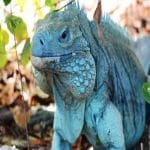

Image Credit – Kelsey
A Blue and Green Iguana is one of the most visually captivating reptiles found in tropical regions around the world. Known for their vibrant skin tones, impressive size, and calm demeanor, these iguanas have fascinated wildlife enthusiasts, researchers, and reptile lovers alike. While blue and green iguanas share many similarities, their coloration, habitats, and conservation status set them apart in unique ways. This article explores the characteristics, habitat, diet, behavior, and importance of protecting both blue and green iguanas.
A Blue and Green Iguana: Understanding These Colorful Reptiles
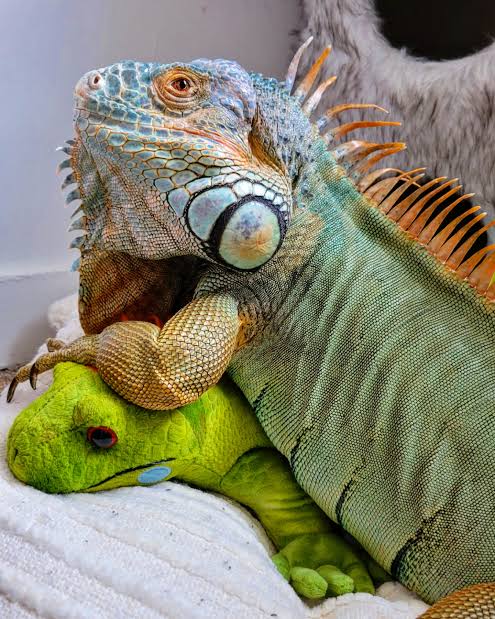
What Is a Blue and Green Iguana?
A Blue and Green Iguana refers primarily to two closely related species: the Blue Iguana (Cyclura lewisi) and the Green Iguana (Iguana iguana). Both belong to the iguana family but differ significantly in appearance and geographic range.
The Blue Iguana is known for its steel-blue to grayish-blue skin, which becomes more vibrant during breeding season. In contrast, the Green Iguana typically displays bright green coloration when young, gradually turning darker or more muted as it matures. Despite their color differences, both species are large-bodied reptiles capable of growing over five feet long.
Natural Habitat and Distribution
The Blue and Green Iguana inhabit very different regions of the world. The Blue Iguana is native exclusively to Grand Cayman, making it one of the rarest reptiles on Earth. It thrives in dry forests, rocky terrain, and coastal scrublands.
The Green Iguana, on the other hand, is widespread across Central and South America and parts of the Caribbean. It prefers rainforests, riverbanks, and mangrove swamps, where lush vegetation provides food and shelter.
Diet and Feeding Habits
A Blue and Green Iguana follows a strictly herbivorous diet. These reptiles feed on leaves, fruits, flowers, and tender plant shoots. Their diet helps maintain ecological balance by dispersing seeds across their habitat.
Although they may occasionally nibble on insects as juveniles, adult iguanas rely almost entirely on plant matter. Proper nutrition is essential for maintaining their vibrant coloration, strong bones, and long lifespan.
Behavior and Lifespan
The Blue and Green Iguana are generally calm and observant creatures. They spend much of their day basking in the sun to regulate body temperature. When threatened, they may flee, whip their tails, or display defensive postures.
Blue Iguanas are more territorial, especially during mating season, while Green Iguanas are known for their agility and tree-climbing skills. Both species can live 30 to 40 years in the wild, with even longer lifespans in protected environments.
Conservation Status and Threats
The Blue Iguana was once critically endangered, with fewer than 30 individuals remaining in the wild. Habitat loss, invasive predators, and human development caused a severe population decline. Thanks to conservation programs, the species has made a remarkable recovery.
Green Iguanas are not currently endangered, but they face threats such as deforestation, illegal pet trade, and climate change. Protecting natural habitats is essential for the survival of both species.
A Blue and Green Iguana represents the beauty and diversity of the reptile world. From the rare and protected Blue Iguana of Grand Cayman to the widespread yet equally fascinating Green Iguana, these reptiles play a vital role in maintaining ecological balance. Understanding their differences, behaviors, and conservation needs helps promote responsible wildlife protection. Let us know in the comments which iguana you find more fascinating and why!
Frequently Asked Questions
Can blue and green iguanas be kept as pets?
Green Iguanas are sometimes kept as pets where legal, but Blue Iguanas are protected and cannot be kept due to conservation law.
Are blue and green iguanas friendly?
Both species are generally calm and non-aggressive but prefer minimal human interaction and can become defensive if threatened.
What is the difference between a blue and green iguana?
The main difference lies in color, habitat, and conservation status. Blue Iguanas are rare and native to Grand Cayman, while Green Iguanas are widespread across tropical regions.