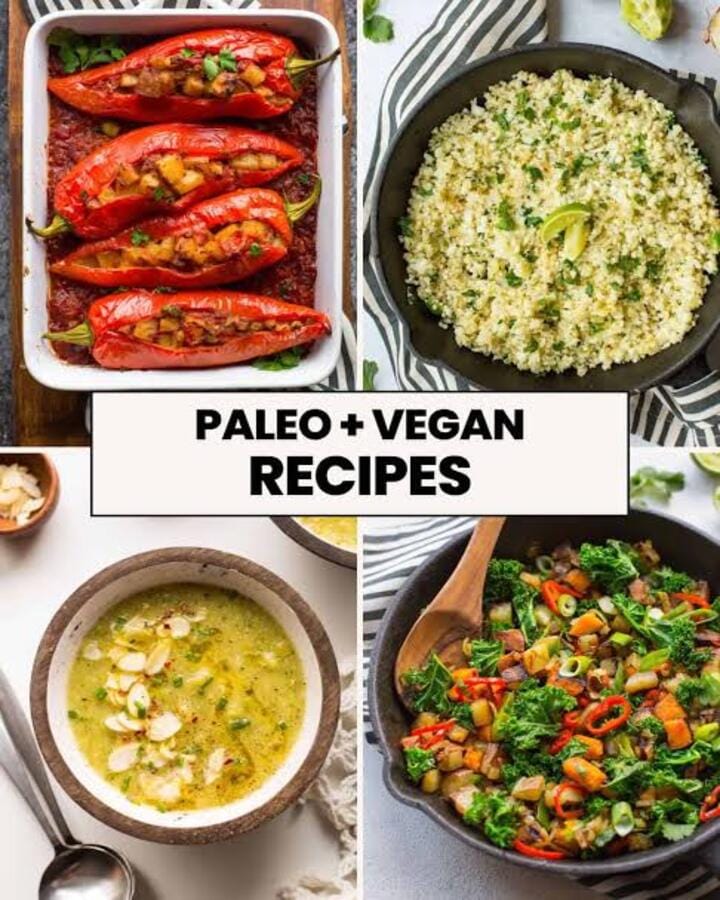
Image Credit – Kelsey
The Vegan Paleo Kitchen is an innovative approach to healthy eating that blends the principles of paleo nutrition with a completely plant-based lifestyle. While traditional paleo focuses on meat, fish, and animal products, the Vegan Paleo Kitchen reimagines ancestral eating using vegetables, fruits, nuts, seeds, and natural fats. This way of eating appeals to people who want clean, whole foods without animal products while still avoiding processed ingredients, grains, refined sugars, and artificial additives. It’s a modern solution for those seeking balance, sustainability, and nourishment.
Vegan Paleo Kitchen: Where Plant-Based Meets Ancestral Eating
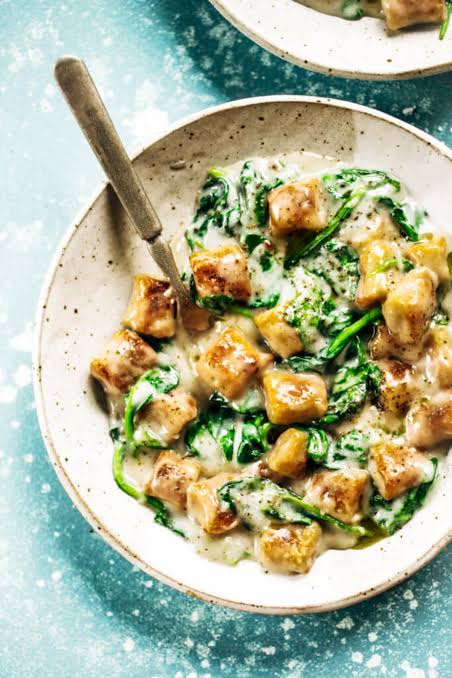
A Vegan Paleo Kitchen centers on whole, unprocessed plant foods inspired by what early humans might have gathered from nature. Instead of meat and dairy, it emphasizes vegetables, root crops, nuts, seeds, herbs, and healthy oils. Foods such as leafy greens, sweet potatoes, cauliflower, coconut, avocado, berries, and seeds form the foundation. The goal is simplicity—eating foods close to their natural state while supporting digestion, energy levels, and overall wellness.
Core Ingredients Used
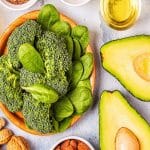
The Vegan Paleo Kitchen relies on nutrient-dense, naturally sourced ingredients. Vegetables like zucchini, broccoli, carrots, and squash are staples. Healthy fats such as coconut oil, olive oil, and avocado oil are used for cooking and flavor. Nuts and seeds—almonds, walnuts, chia seeds, and flaxseeds—provide protein and texture. Natural sweeteners like dates or raw honey (optional for some) replace refined sugar. Herbs, spices, and fermented foods add depth without artificial flavoring.
Health Benefits
One of the biggest advantages of the Vegan Paleo Kitchen is its focus on clean eating. By eliminating refined grains, processed foods, and added sugars, this lifestyle may support better digestion and more stable energy levels. The high intake of vegetables and healthy fats contributes to improved nutrient absorption and gut health. Many people find that this approach helps reduce inflammation while supporting heart health and maintaining a healthy weight when combined with mindful portions.
Easy Meal Ideas
A Vegan Paleo Kitchen offers endless creativity. Breakfast options may include chia seed pudding with coconut milk and berries or veggie-packed sweet potato hash. Lunch can feature large salads with roasted vegetables, avocado, and nut-based dressings. Dinner ideas include cauliflower rice stir-fries, zucchini noodles with creamy cashew sauce, or stuffed bell peppers filled with seasoned vegetables and seeds. Snacks like energy balls made from dates and nuts fit perfectly into this lifestyle.
Is Vegan Paleo Sustainable Long-Term?
Sustainability depends on thoughtful planning. A Vegan Paleo Kitchen works best when meals are balanced and nutrient intake is considered carefully. Since legumes and grains are avoided, it’s important to include a variety of vegetables, nuts, seeds, and plant-based fats to meet protein and micronutrient needs. Many people successfully follow this approach by rotating ingredients and keeping meals diverse and colorful.
The Vegan Paleo Kitchen proves that plant-based eating and paleo principles can coexist beautifully. By focusing on whole, natural foods and eliminating processed ingredients, this lifestyle supports mindful eating and culinary creativity. Whether you’re exploring new health goals or simply want cleaner meals, the Vegan Paleo Kitchen offers a refreshing path to nourishment. Let us know in the comments if you’ve tried Vegan Paleo recipes or plan to explore this way of eating.
Frequently Asked Questions
Q1: What is a Vegan Paleo Kitchen?A Vegan Paleo Kitchen focuses on whole, plant-based foods while avoiding grains, legumes, refined sugar, and processed items.
Q2: Can you get enough protein in a Vegan Paleo Kitchen?
Yes, protein can come from nuts, seeds, vegetables, and plant-based fats when meals are well planned.
Q3: Is the Vegan Paleo Kitchen good for beginners?
Yes, with simple recipes and basic ingredients, beginners can gradually adapt to this clean eating style.