
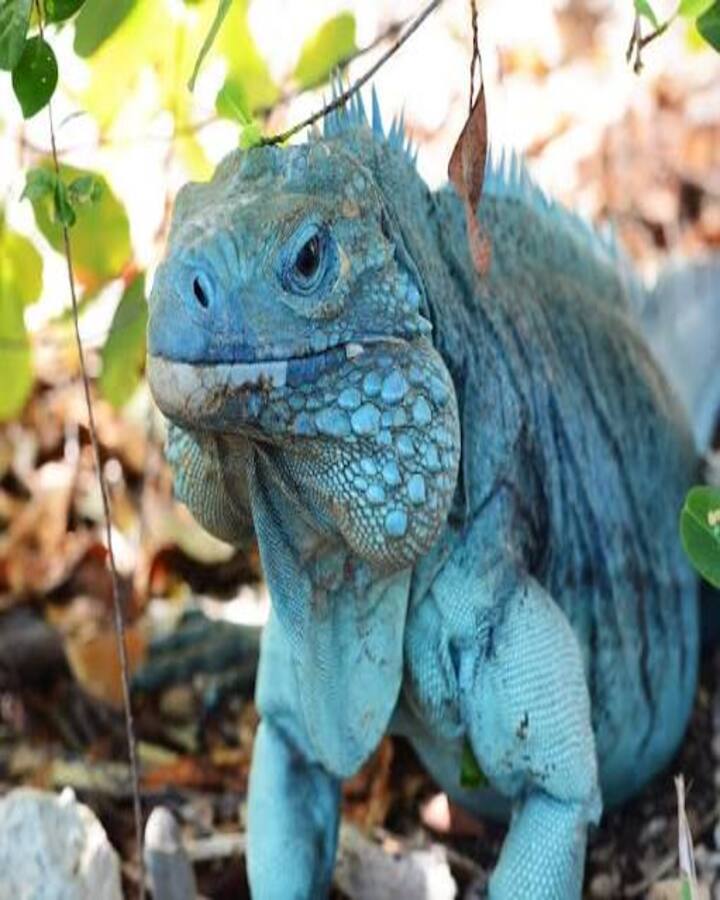
Image Credit – Kelsey
The Blue Iguana is one of the most striking and rare reptiles in the world. Known for its stunning blue-gray coloration and impressive size, the Blue Iguana is native to the island of Grand Cayman. This unique reptile has captured the attention of wildlife enthusiasts, researchers, and conservationists due to its beauty and its incredible survival story. Once on the brink of extinction, the Iguana now stands as a powerful symbol of successful conservation efforts.
Blue Iguana: A Rare and Fascinating Reptile of the Caribbean
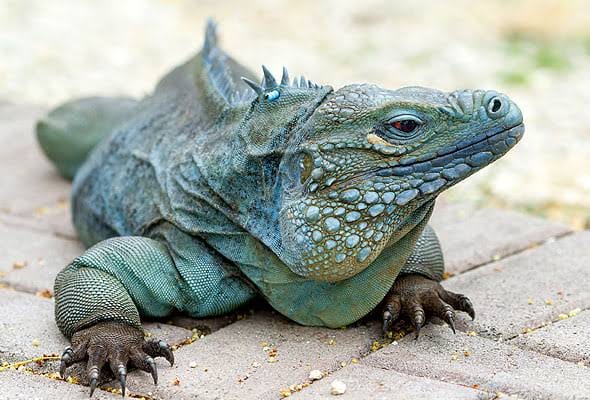
Understanding the Iguana’s habitat, behavior, and importance helps raise awareness about protecting endangered species and preserving biodiversity.
The Iguana, scientifically known as Cyclura lewisi, is a large species of lizard belonging to the iguana family. Adult Blue Iguanas can grow up to five feet in length, including their tail, and can weigh over 25 pounds. Their color ranges from slate gray to bright turquoise blue, becoming more vibrant during breeding season or warmer temperatures.
Unlike many reptiles, Iguanas are primarily herbivores, feeding on leaves, fruits, flowers, and other plant matter. This diet plays an important role in seed dispersal, helping maintain their natural ecosystem.
Natural Habitat and Behavior
Iguanas are native only to Grand Cayman, making them an endemic species. They prefer dry forests, rocky areas, and coastal regions where they can bask in the sun and find shelter in burrows or rock crevices.
These reptiles are diurnal, meaning they are active during the day. They are known for their calm and solitary nature, although they can become territorial, especially during mating season. Iguanas rely on sunlight to regulate their body temperature and metabolism.
At one point, the Iguana population dropped to fewer than 25 individuals in the wild. Habitat destruction, road accidents, invasive species, and predation by dogs and cats were major threats. Human development significantly reduced their natural living spaces.
Because Blue Iguanas reproduce slowly, population recovery was extremely challenging. Without intervention, the species faced near extinction.
Conservation Success Story
The Iguana is now considered one of the greatest reptile conservation success stories. Through dedicated breeding programs, habitat protection, and public awareness campaigns, conservationists helped increase the population to over a thousand individuals.
Organizations such as the Blue Iguana Recovery Programme have played a crucial role in protecting hatchlings, restoring habitats, and educating local communities. These efforts show how human action can reverse environmental damage when done responsibly.
Iguanas are not suitable pets for most people. They require specialized care, large enclosures, controlled temperatures, and a strict diet. In many regions, keeping a Blue Iguana as a pet is illegal due to conservation laws.
It is important to admire these reptiles in their natural environment or through conservation programs rather than attempting private ownership.
Importance
The Blue Iguana plays a key role in maintaining ecological balance by spreading seeds and supporting plant growth. Its survival also highlights the importance of protecting island ecosystems, which are especially vulnerable to environmental changes.
Protecting the Iguana helps safeguard other species that share the same habitat.
The Blue Iguana is a remarkable reptile that represents resilience, beauty, and the power of conservation. From near extinction to recovery, its story reminds us of our responsibility to protect wildlife and natural habitats. Learning about the Blue Iguana helps promote awareness and respect for endangered species around the world. Let us know in the comments what you find most fascinating about the Iguana or if you’ve learned something new today.
Frequently Asked Questions
Why are Blue Iguanas endangered?
They became endangered due to habitat loss, invasive species, predators, and slow reproduction rates
Are Blue Iguanas dangerous to humans?
No, Blue Iguanas are generally calm and not dangerous unless threatened or provoke.
Where are Blue Iguanas found?
Blue Iguanas are found only on Grand Cayman in the Caribbean, making them an endemic species.