
image credit – Kelsey
Maya cuisine is one of the oldest and most fascinating culinary traditions in the world. Rooted in the daily lives, rituals, and agricultural practices of the ancient Maya civilization, this cuisine reflects a deep connection to nature and community. Even today, Maya cuisine continues to influence modern Central American food, especially in regions of Mexico, Guatemala, Belize, and Honduras. From simple corn-based dishes to rich stews and traditional drinks, Maya cuisine tells a story of history, culture, and sustainability that has survived for thousands of years.
Maya Cuisine: A Perfect Journey Into Ancient Traditions
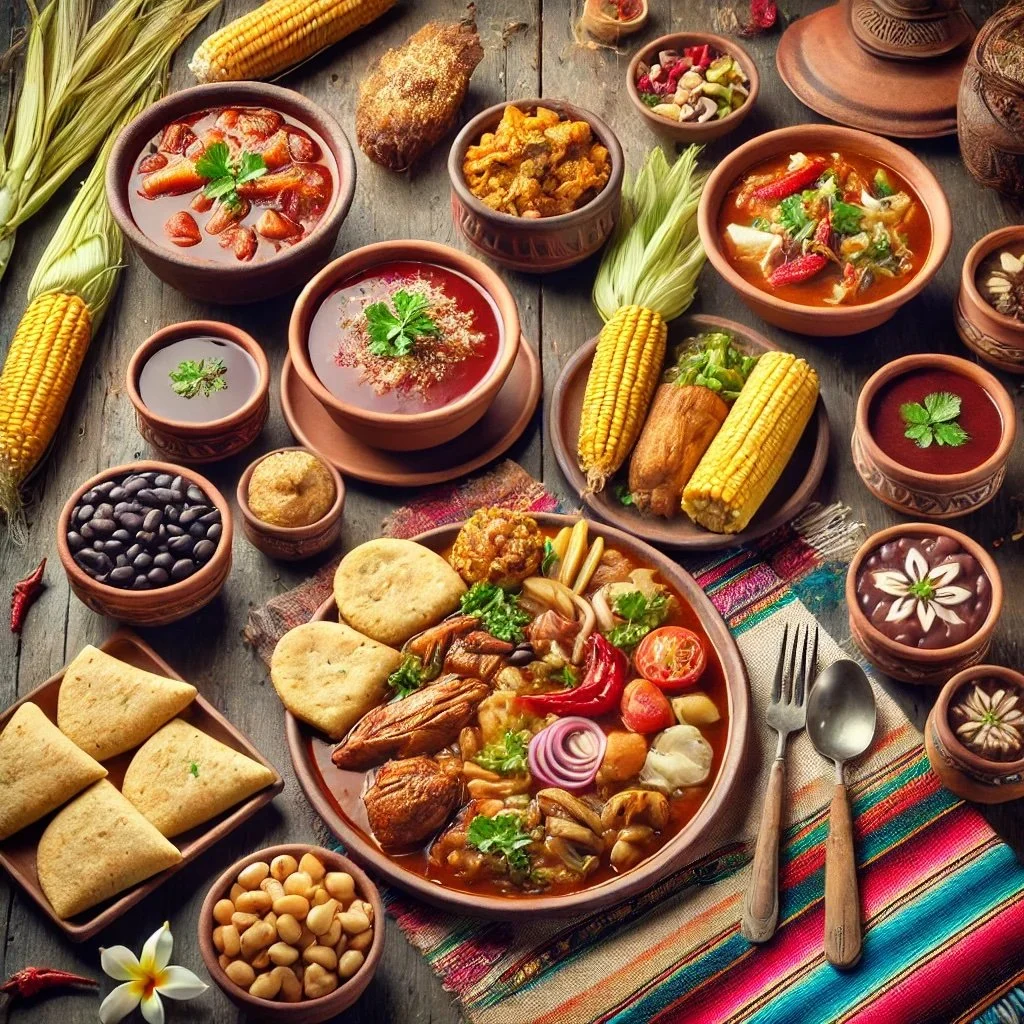
Maya cuisine developed around the crops that were locally available and highly valued by the Maya people. Corn was the foundation of their diet and held spiritual significance, often believed to be a gift from the gods. Alongside corn, ingredients such as beans, squash, chili peppers, cacao, and tomatoes played a major role in everyday meals. These ingredients were cultivated using advanced farming techniques like milpa farming, which supported biodiversity and soil health.
Key Ingredients
One of the defining features of Cuisine is its simplicity combined with bold, natural flavors. Corn is used in many forms, including tortillas, tamales, and drinks. Beans provided protein, while squash seeds and chili peppers added texture and heat. Cacao was especially important and commonly used in ceremonial drinks rather than sweet desserts. Herbs, achiote, and natural spices enhanced flavor without overpowering the dish, making Maya cuisine both nutritious and balanced.
Traditional Maya Dishes
Many traditional Maya dishes are still enjoyed today. Tamales, made from corn dough and wrapped in banana leaves, were often prepared for ceremonies and celebrations. Another popular dish is atole, a warm corn-based drink enjoyed during breakfast or rituals. Brothy stews made with vegetables and spices were common daily meals. These dishes highlight how Maya dishes focused on nourishment, community sharing, and respect for ingredients.
Cultural Significance
Maya dishes was more than just food; it was a central part of social and spiritual life. Meals were shared with family and community, reinforcing social bonds. Food was also offered during religious ceremonies to honor gods and ancestors. This cultural importance remains strong today, as many indigenous communities continue to preserve traditional cooking methods and recipes passed down through generations.
Maya Cuisine in the Modern World
Today, cuisine is gaining global recognition for its sustainability and health benefits. Many chefs and food historians are rediscovering ancient recipes and incorporating them into modern menus. The emphasis on plant-based ingredients, whole grains, and natural flavors makes Maya dishes appealing to people seeking healthy and eco-friendly food choices.
Maya cuisine is a powerful reflection of history, culture, and harmony with nature. Its timeless recipes and ingredients continue to inspire modern cooking while preserving ancient traditions. Exploring Maya cuisine allows us to appreciate not only delicious food but also the wisdom of a civilization that valued balance and sustainability. Let us know in the comments what fascinates you most about Maya dishes or if you have ever tried a traditional Maya dish.
Frequently Asked Questions
Why is corn important in Maya cuisine?
Corn is central to Maya cuisine because it was a dietary staple and held spiritual importance, symbolizing life and creation in Maya culture.
What is Maya cuisine known for?
Maya cuisine is known for its use of corn, beans, squash, chili peppers, and cacao, along with simple cooking methods that highlight natural flavors.
Is Maya cuisine still eaten today?
Yes, Maya cuisine is still practiced in many Central American communities, and its dishes continue to influence modern regional cooking.
Quora-Style FAQs
Q1:
Q2:
Q3:
If you’d like, I can also: