Image Credit – Kelsey
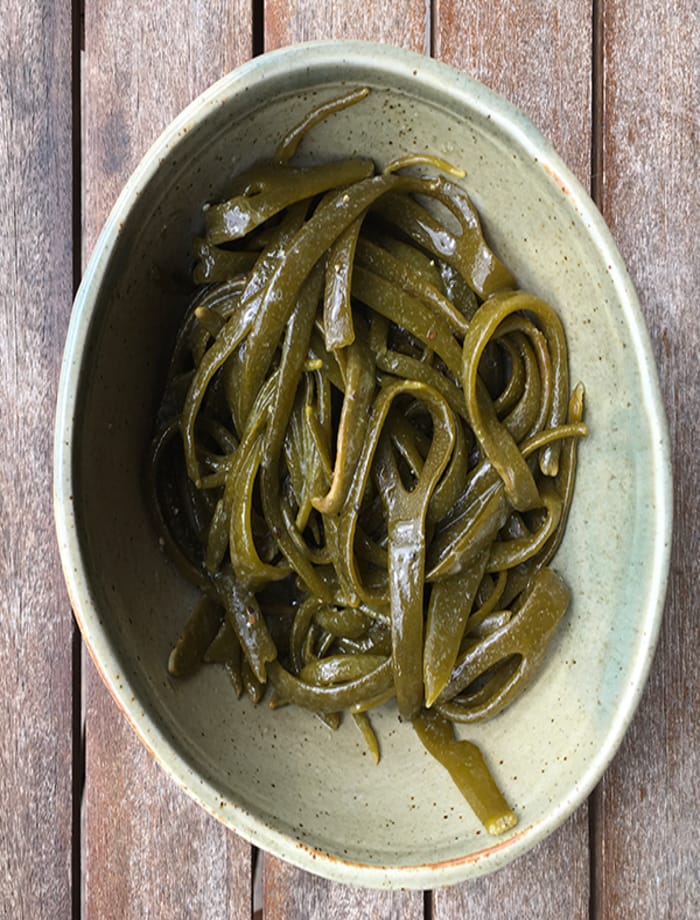
Sea spaghetti is a unique and increasingly popular type of edible seaweed that looks remarkably similar to traditional pasta. Known scientifically as Himanthalia elongata, sea spaghetti grows along the cold Atlantic coasts and has been used in coastal cuisines for centuries. With its mild briny flavor and chewy, noodle-like texture, spaghetti is gaining attention among health-conscious eaters, vegans, and gluten-free food lovers. Packed with minerals, fiber, and plant-based nutrients, this ocean vegetable offers a sustainable and nutritious alternative to wheat-based pasta. Whether tossed into salads, sautéed with vegetables, or served as a warm main dish, spaghetti is both versatile and delicious.
Sea Spaghetti: A Nutritious and Sustainable Seaweeds Pasta Alternative
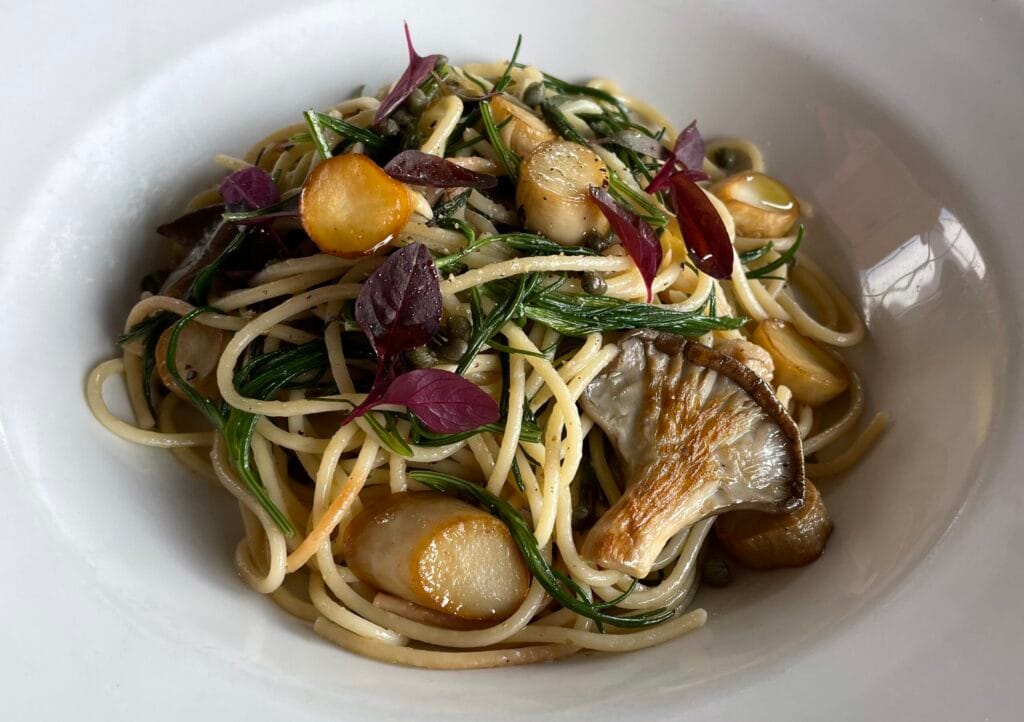
Sea spaghetti is a brown seaweed harvested mainly from the Atlantic waters of Europe. It naturally grows in long, ribbon-like strands, which is why it’s often compared to spaghetti. Unlike regular pasta, spaghetti is gluten-free, low in calories, and rich in iodine, magnesium, iron, and antioxidants. Its subtle ocean flavor pairs beautifully with garlic, olive oil, lemon, and fresh herbs, making it an excellent base for simple yet elegant meals.
Health Benefits
One of the biggest reasons spaghetti has become so popular is its impressive nutritional profile. It is high in dietary fiber, which supports digestion and gut health. Spaghetti also contains essential minerals that support thyroid function, bone strength, and overall metabolism. Because it’s naturally low in fat and carbohydrates, it’s ideal for people following vegan, paleo, keto-adjacent, or gluten-free diets. Additionally, seaweed farming is environmentally friendly, making spaghetti a sustainable food choice.
Easy Sea Spaghetti Recipe
Ingredients:
- 50 g dried sea spaghetti
- 2 tablespoons olive oil
- 3 garlic cloves, finely chopped
- 1 small onion, thinly sliced
- 1 cup cherry tomatoes, halved
- 1 tablespoon lemon juice
- Salt and black pepper to taste
- Fresh parsley or basil for garnish
- Optional: chili flakes or capers
Instructions:
- Rinse the dried sea spaghetti thoroughly under cold water.
- Soak it in warm water for 10–15 minutes until softened, then drain.
- Bring a pot of water to a gentle boil and cook the sea spaghetti for 5–7 minutes until tender. Drain and set aside.
- Heat olive oil in a pan over medium heat. Add garlic and onion, sautéing until fragrant and lightly golden.
- Add cherry tomatoes and cook for 2–3 minutes until softened.
- Stir in the cooked sea spaghetti, lemon juice, salt, and pepper. Toss well to combine.
- Cook for another 2 minutes, allowing flavors to blend.
- Garnish with fresh herbs and serve warm.
This simple spaghetti recipe highlights the natural flavor of the seaweed while remaining light and nourishing.
How to Serve
Spaghetti works beautifully as a pasta substitute or as a side dish. You can pair it with roasted vegetables, mushrooms, tofu, or seafood. It can also be added to soups, stir-fries, or cold salads. Its neutral taste allows it to absorb sauces well, making it a flexible ingredient for creative cooking.
Sea spaghetti is more than just a trendy superfood—it’s a nutritious, sustainable, and delicious ingredient that deserves a place in modern kitchens. Whether you’re avoiding gluten, exploring plant-based foods, or simply looking to try something new, spaghetti offers a unique way to enjoy the flavors of the ocean. Easy to prepare and packed with health benefits, it’s an excellent alternative to traditional pasta. Let us know in the comments—have you tried spaghetti, or would you like to cook it at home.
Frequently Asked Questions
What does sea spaghetti taste like?
Sea spaghetti has a mild, slightly salty ocean flavor. It’s not overpowering and easily absorbs the taste of sauces, garlic, and herbs.
Is sea spaghetti healthy to eat regularly?
Yes, spaghetti is rich in fiber, minerals, and antioxidants. When eaten in moderation, it can be a healthy addition to a balanced diet.
Is sea spaghetti suitable for vegans and gluten-free diets?
Yes, spaghetti is suitable for both vegans and gluten-free diets. It is a natural seaweed made from marine plants, not grains or animal products. Spaghetti contains no gluten and is dairy-free, making it ideal for vegan, vegetarian, and gluten-sensitive individuals.