Image Credit – Kelsey
When people think of Paleo living, they often picture a diet inspired by our ancestors—meat, vegetables, fruits, nuts, and seeds, all while eliminating processed foods, grains, and dairy. On the other hand, Paleo Living and Orthodox Lent brings to mind deep spirituality, reflection, fasting, and abstaining from specific foods like meat, dairy, and sometimes even oil and wine. While these two lifestyles may seem worlds apart, they share interesting overlaps and lessons that can enrich both physical health and spiritual growth.
Paleo Living and Orthodox Lent: A Journey of Tradition and Wellness

What is Paleo Living?
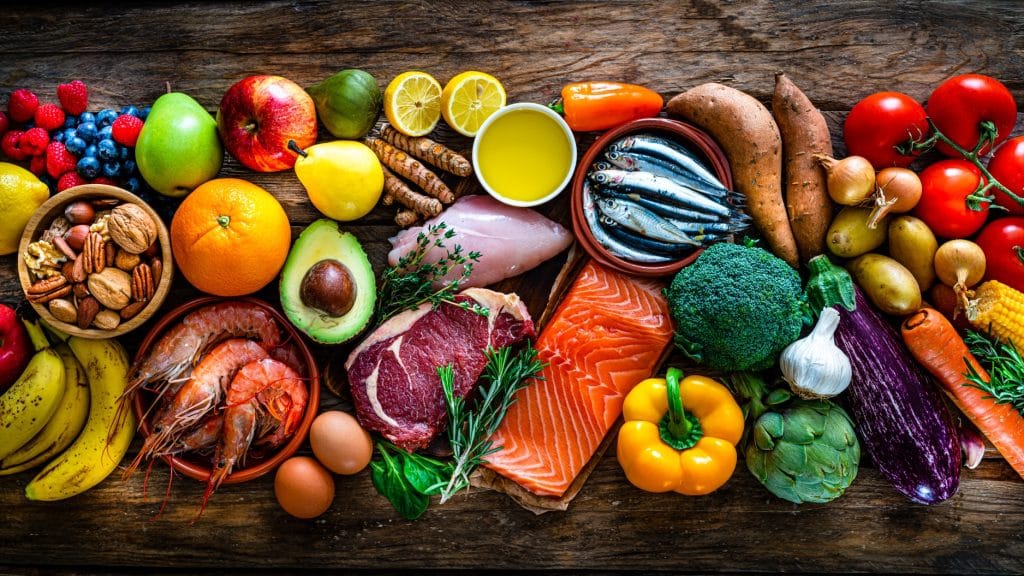
The Paleo lifestyle is based on the principle of eating whole, unprocessed foods that resemble what humans consumed during the Paleolithic era. Supporters of Paleo emphasize avoiding refined sugars, grains, legumes, and processed oils. Instead, the diet focuses on grass-fed meats, wild-caught fish, fresh vegetables, fruits, nuts, seeds, and natural fats like olive or coconut oil.
The goal of Paleo living isn’t only about food—it’s also about living in harmony with natural rhythms, reducing toxins, moving the body regularly, and finding balance. Paleo is often associated with higher energy, reduced inflammation, and improved digestion.
What is Orthodox Lent?
Orthodox Lent, also known as the Great Fast, is a period of preparation before Easter that spans 40 days, plus Holy Week. It is one of the most significant seasons in the Orthodox Christian calendar. During this time, faithful followers abstain from animal products, including meat, dairy, and eggs, while also limiting wine and oil on certain days. The fast is not only about physical abstinence but also spiritual discipline, prayer, and acts of charity.
Unlike Paleo, which is focused on physical health, Orthodox Lent is deeply rooted in faith and spiritual renewal. However, the emphasis on whole foods—vegetables, fruits, legumes, and nuts—creates an overlap that can offer surprising benefits.
Similarities Paleo Living and Orthodox Lent
At first glance, Paleo living and Orthodox Lent seem contradictory: Paleo encourages meats, while Lent abstains from them. Yet when we look closer, both approaches value mindfulness and intentionality in eating.
- Whole foods focus: Both eliminate highly processed and refined foods, encouraging more natural eating.
- Discipline: Paleo requires commitment to avoid modern conveniences like packaged snacks, while Lent requires self-control and spiritual focus.
- Health benefits: Whether through Paleo’s nutrient-rich meats or Lent’s plant-based fasting, both approaches promote digestion, detoxification, and renewed energy.
- Mind-body connection: Paleo emphasizes ancestral wellness and natural living, while Lent emphasizes the connection between physical sacrifice and spiritual growth.
Differences to Consider
Of course, there are clear distinctions:
- Paleo thrives on proteins from meats and fish, while Orthodox Lent removes these altogether.
- Lent often includes legumes, grains, and bread, which Paleo excludes.
- Paleo is primarily health-driven, while Lent is faith-driven.
Recognizing these differences helps us appreciate how each practice has its unique role in one’s journey—whether toward physical health or spiritual renewal.
Blending Paleo Living with Orthodox Lent
For those who live a Paleo lifestyle but also observe Orthodox Lent, the overlap can be challenging. However, with creativity, one can respect the fasting traditions without completely abandoning Paleo principles. For example:
- Focus on vegetables, nuts, fruits, and mushrooms during fasting days.
- Use Paleo-friendly oils like olive and coconut oil where allowed.
- Replace meat protein with nuts, seeds, or Paleo-compliant vegetables like cauliflower and broccoli for bulk.
- Avoid processed vegan substitutes, and instead embrace simple whole foods, staying true to both Lent’s purity and Paleo’s natural approach.
A Deeper Perspective
Both Paleo and Lent teach us something profound: eating is more than just fueling the body. Paleo reminds us of our ancestral roots and the importance of eating closer to nature, while Lent reminds us of humility, sacrifice, and the nourishment of the soul.
In today’s world, where convenience foods dominate and mindfulness is often lost, these two practices—though different—offer guiding principles for intentional living. Whether you choose Paleo for health or Lent for faith, both invite us to pause, reflect, and respect what we put into our bodies.
Paleo Living and Orthodox Lent may stem from different foundations—one scientific and ancestral, the other spiritual and religious—but they both encourage mindfulness, discipline, and respect for food. Together, they remind us that what we eat can transform not just our physical health but also our spiritual well-being.
Have you ever tried blending Paleo Living and Orthodox Lent fasting practices? Let us know your experiences and thoughts in the comments below—we’d love to hear your journey
Frequently Asked Questions
Can Paleo living and Orthodox Lent fasting be combined?
Yes, with mindful adjustments. Paleo emphasizes meats, while Orthodox Lent excludes them. However, one can focus on Paleo-friendly plant foods—like vegetables, fruits, nuts, and seeds—while respecting fasting rules. Using natural oils and avoiding processed substitutes makes it easier to stay aligned with both.
How is Paleo living similar to Orthodox Lent fasting?
Both encourage a return to natural, whole foods and emphasize discipline in eating habits. Paleo avoids modern processed foods, while Lent calls for spiritual focus through abstaining from animal products. In both, mindful eating plays a central role.
What are the health benefits of Orthodox Lent compared to Paleo living?
Orthodox Lent often leads to detoxification, improved digestion, and a lighter body through plant-based eating. Paleo, on the other hand, offers benefits like reduced inflammation, stable blood sugar, and high protein intake. While their goals differ—spiritual renewal vs. ancestral health—both can positively impact overall well-being.