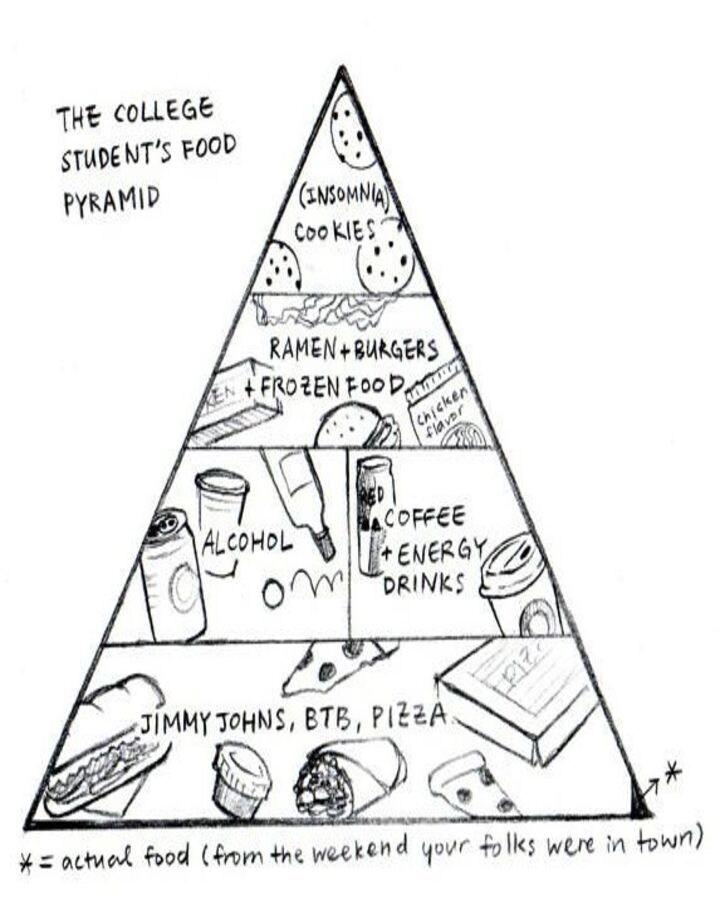
Image Credit – Kelsey
The College Food Pyramid is a modern take on healthy eating designed specifically for busy students. Between lectures, assignments, part-time jobs, and social life, college students often struggle to maintain balanced nutrition. Late-night snacks, instant noodles, cafeteria pizza, and excessive caffeine can quickly replace wholesome meals. The College Food Pyramid helps students understand what their bodies truly need during these demanding academic years. By following a simple and realistic structure, students can fuel their energy, improve focus, and support long-term health without breaking their budget.
College Food Pyramid: A Practical Guide to Smart Student Nutrition
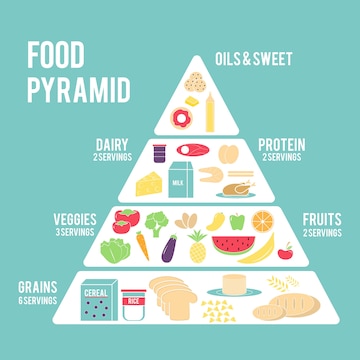
The College Food Pyramid adapts traditional nutrition guidelines to fit a student lifestyle. Instead of focusing only on ideal dietary theory, it emphasizes affordability, convenience, and accessibility. It recognizes limited cooking time, shared kitchens, tight budgets, and unpredictable schedules.
The pyramid is structured in layers, with foundational foods forming the base and occasional treats placed at the top.
Base Layer: Whole Grains and Affordable Staples
At the foundation of the Food Pyramid are whole grains and staple foods. These include:
- Brown rice
- Oats
- Whole wheat bread
- Pasta
- Quinoa
- Potatoes
These foods provide sustained energy, which is essential for long study sessions and busy campus days. Whole grains are typically affordable, easy to prepare, and widely available in college cafeterias or grocery stores.
Second Layer: Fruits and Vegetables
The next layer of the Food Pyramid focuses on fruits and vegetables. Many students overlook this group, but it plays a crucial role in immunity, digestion, and mental clarity.
Budget-friendly options include:
- Bananas
- Apples
- Frozen vegetables
- Carrots
- Spinach
- Seasonal produce
Frozen fruits and vegetables are often cheaper and last longer, making them ideal for dorm life.
Third Layer: Protein for Focus and Strength
Protein is essential for muscle repair, brain function, and overall health. In the College Food Pyramid, protein sources include:
- Eggs
- Beans and lentils
- Greek yogurt
- Chicken
- Tofu
- Peanut butter
Plant-based proteins like beans and lentils are especially budget-friendly and easy to store. Including protein in every meal helps maintain energy levels and reduces unhealthy snacking.
Fourth Layer: Healthy Fats
Healthy fats support brain health and hormone balance—both important during academically stressful periods. The College Food Pyramid includes:
- Nuts and seeds
- Avocados
- Olive oil
- Nut butters
Even small portions of healthy fats can improve meal satisfaction and concentration.
Top Layer: Treats and Convenience Foods
The top of the College Food Pyramid includes snacks, sugary drinks, fast food, and processed items. These are not forbidden but should be consumed in moderation.
College life includes social events, celebrations, and occasional late-night cravings. The key is balance, not restriction.
Hydration: The Hidden Foundation
Although not always shown in a traditional pyramid, hydration is critical in the Food Pyramid. Water should be the primary beverage. Limiting sugary drinks and excessive caffeine helps maintain steady energy and better sleep patterns.
Why the College Food Pyramid Matters
Students often underestimate how nutrition affects academic performance. The Food Pyramid supports:
- Improved concentration
- Better memory retention
- Stable energy levels
- Stronger immunity
- Healthier weight management
Balanced nutrition can reduce fatigue, mood swings, and frequent illnesses during the semester.
Practical Tips for Following the College Food Pyramid
- Plan simple weekly meals.
- Shop with a budget-friendly grocery list.
- Prep snacks in advance.
- Keep healthy staples in your dorm.
- Avoid skipping meals, especially breakfast.
The College Food Pyramid isn’t about perfection—it’s about making smarter choices consistently.
The College Food Pyramid offers a realistic and flexible approach to student nutrition. By focusing on whole grains, fruits, vegetables, protein, and healthy fats—while limiting processed foods—students can support both academic success and overall well-being. College is a time of growth, learning, and independence, and healthy eating plays a powerful role in that journey. Small changes in daily habits can lead to lasting benefits long after graduation.Let me know in the comments how you manage healthy eating during college or share your favorite user-friendly meal ideas.
Frequently Asked Questions
What is the College Food Pyramid?
The College Food Pyramid is a nutrition guide tailored to student lifestyles, focusing on affordable, balanced, and practical meal choices.
Why is the College Food Pyramid important for students?
The College Food Pyramid helps students maintain energy, improve concentration, and support overall health during busy academic schedules.
How can I follow the College Food Pyramid on a tight budget?
You can follow the College Food Pyramid by choosing whole grains, seasonal produce, plant-based proteins, and planning simple meals in advance.