Image Credit – Kelsey
Green beans, also commonly known as string beans, are one of the most versatile and nutritious vegetables enjoyed around the world. Whether steamed, sautéed, roasted, or added to curries and salads, green beans bring a fresh crunch and mild flavor to countless dishes. Packed with vitamins, minerals, and fiber, beans are a healthy addition to everyday meals. In this guide, we’ll explore what makes green beans so popular, their health benefits, cooking methods, and tips for enjoying them at their best.
Green Beans Or String Beans: Nutrition, Benefits, Uses, and Cooking Tips

Green and string beans refer to the same vegetable, scientifically known as Phaseolus vulgaris. The term “string beans” comes from the fibrous string that once ran along older varieties, which has mostly been bred out in modern versions. Today, most green beans are tender, stringless, and easy to cook.
They are available fresh, frozen, and canned, making them convenient for year-round use.
Nutritional Value of Green Beans
Beans are low in calories but rich in essential nutrients. They are an excellent source of vitamin C, vitamin K, and folate. They also contain antioxidants that support overall health.
Health benefits include:
- Supports heart health
- Aids digestion due to fiber content
- Helps maintain healthy bones
- Supports immune function
Because they are naturally low in fat and carbohydrates, beans fit well into many diets, including vegetarian, vegan, and low-calorie eating plans.
Health Benefits of String Beans
Eating string beans regularly can contribute to better health in several ways. Their fiber content promotes digestive health and helps regulate blood sugar levels. The antioxidants found in green beans help fight inflammation and protect cells from damage.
Additionally, vitamin K supports bone health, while vitamin C boosts immunity and skin health. These benefits make beans an excellent vegetable choice for all age groups.
Popular Ways to Cook Beans
One of the reasons string beans are so popular is their versatility in the kitchen. They can be prepared in many delicious ways without losing their nutritional value.
Common cooking methods include:
- Steaming for a light, healthy side
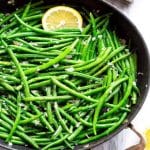
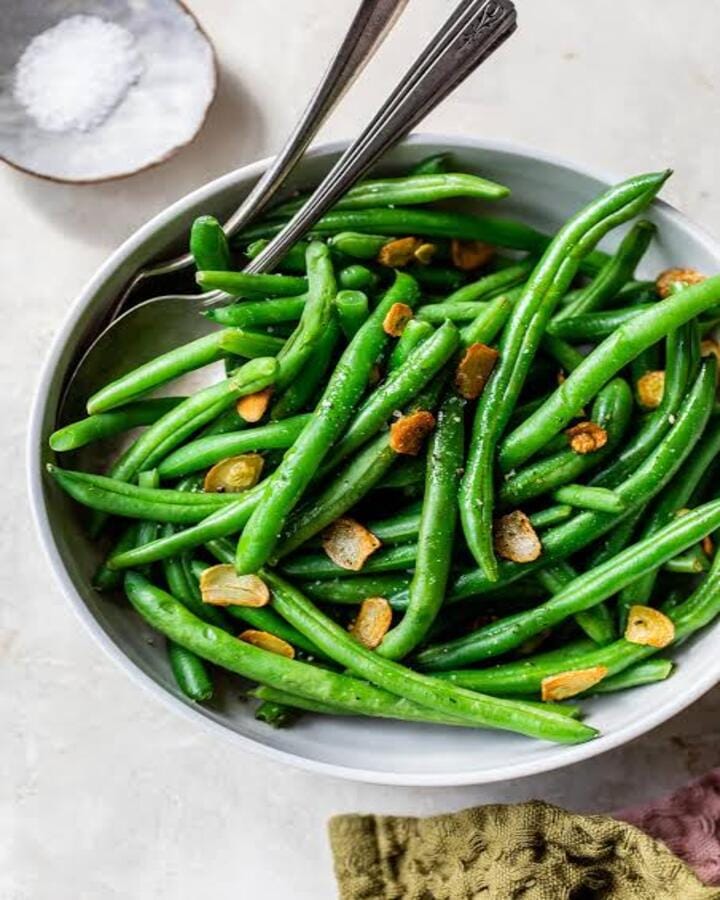
- Sautéing with garlic and olive oil
- Roasting for a crispy texture
- Adding to soups, stir-fries, and casseroles
Light cooking helps preserve their bright green color and crunchy texture.
Green beans string beans can be easily incorporated into daily meals. They pair well with rice, pasta, meats, and plant-based dishes. In Indian cooking, beans are often used in sabzi, while in Western cuisines they appear in salads and holiday casseroles.
Their mild taste allows them to absorb spices and seasonings, making them suitable for a wide variety of recipes.
Tips for Buying and Storing
When buying beans, look for pods that are firm, smooth, and bright green. Avoid beans that are limp or have brown spots. Fresh beans should snap easily when bent.
Store them in the refrigerator in a breathable bag and use within a few days for best flavor and nutrition.
Green beans, also known as string beans, are a nutritious, affordable, and versatile vegetable that deserves a regular place on your plate. From supporting digestion to enhancing heart and bone health, their benefits are impressive. Easy to cook and adaptable to many cuisines, green beans make healthy eating both simple and enjoyable. Let us know in the comments how you like to cook green beans or your favorite recipe using string beans!
Frequently Asked Questions
Are green beans and string beans the same thing?
Yes, green beans and string beans refer to the same vegetable. The names are used interchangeably.
Are green beans healthy to eat daily?
Yes, green beans are low in calories and rich in nutrients, making them safe and healthy for daily consumption.
What is the healthiest way to cook string beans?
Steaming or lightly sautéing string beans helps preserve nutrients while maintaining flavor and texture.